Melalite Cream: Uses, Side Effects and Safety Tips
- Learn about Melalite cream, how hydroquinone helps fade dark patches, possible side effects, and why medical advice and sun protection matter.
- Dark spots and patches can make some areas of your skin look darker than the skin around them. Doctors call this hyperpigmentation. Hydroquinone creams may help treat certain types of these dark patches, including melasma and dark marks left after acne.
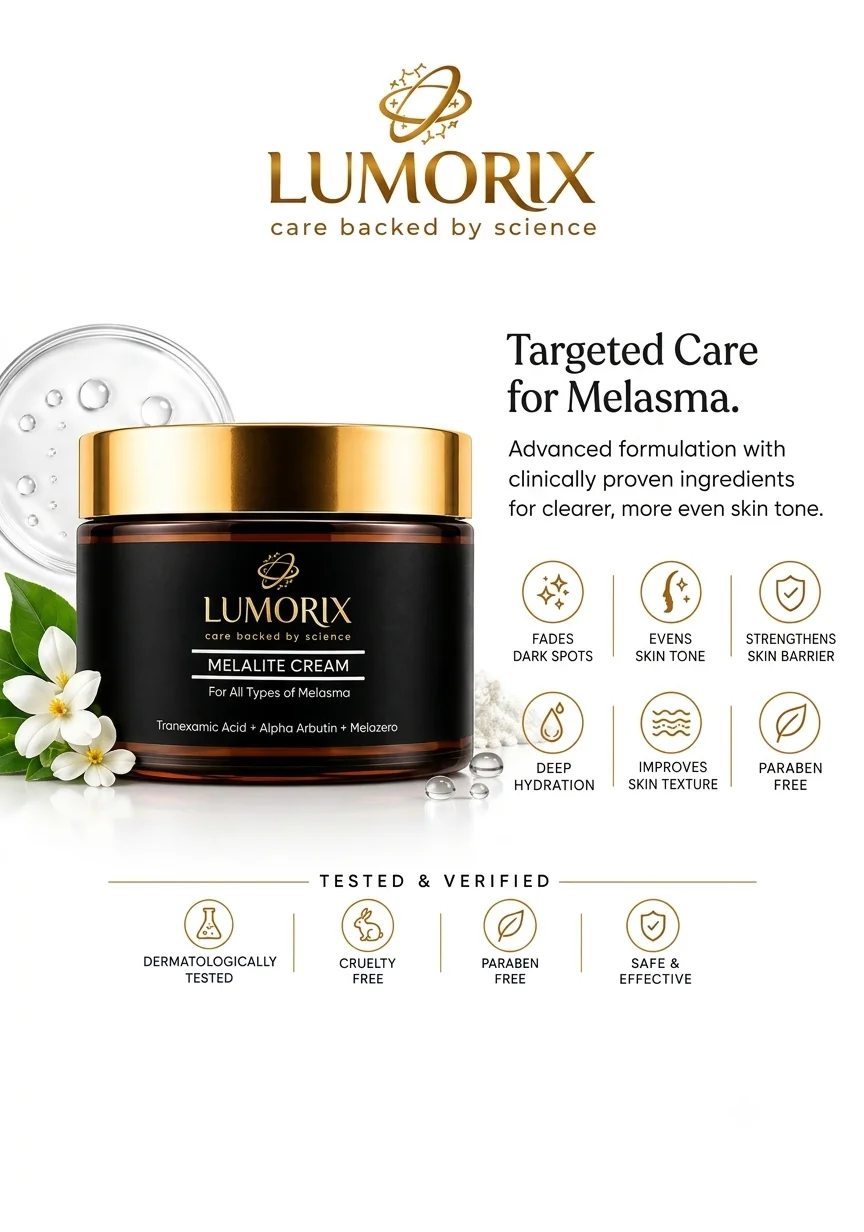
- Melalite Forte is one such medicine. It contains hydroquinone 4% and is used to treat melasma. It should be used only in the amount and for the length of time advised by a doctor.
- Before starting treatment, it is important to understand what the cream does, what results to expect, and which side effects need attention.
What Is Melalite Cream?
Melalite Forte is a medicated cream containing hydroquinone 4%. Its main purpose is to lighten darker patches of skin caused by excess pigment. It is not an everyday moisturiser or a general-purpose fairness cream.
The treatment should focus on the skin problem your doctor has identified. Do not use it to change your natural skin colour or apply it widely without medical guidance. Incorrect use can cause unwanted skin lightening.
How Does It Work?
Your skin makes a pigment called melanin. This pigment gives your skin its colour. When some areas make more melanin, dark spots or patches may appear.
Hydroquinone slows the production of new melanin. Over time, this can make certain dark areas look lighter. The change is gradual, so the cream does not work overnight.
What Skin Problems May It Help?
Melasma: brown or darker patches, often on the face. Dark marks after acne: patches of colour left after a pimple has healed. Certain freckles and age spots: small areas of darker pigment. Not every dark patch responds in the same way. Hydroquinone works on pigment in the outer skin layers, but it does not treat pigment located deeper in the skin. This is one reason a skin assessment matters before treatment.
How Should You Use It?
Follow the directions on your prescription and the leaflet for your exact product. Your doctor should decide how often you apply it and when to stop.
General safety steps include: Wash your hands before applying the cream. Make sure the treatment area is clean and dry. Apply a thin layer only to the areas your doctor has advised. Keep it away from your eyes, mouth, and broken or sunburned skin. Wash your hands after use, unless your hands are being treated. Do not apply extra cream or use it more often than directed. A small skin test is recommended before wider use. Follow your product leaflet or doctor’s instructions, and do not continue if the test causes itching, swelling, blistering, or a strong reaction.
Why Is Sun Protection Important?
Sun protection is an important part of treatment. Sunlight can increase pigmentation and bring back colour in areas that have become lighter. Use a broad-spectrum sunscreen, limit strong sun exposure, and wear protective clothing or a hat outdoors. Sunscreen supports treatment, but it does not replace using the medicine correctly.
How Long Does It Take to See Results?
Improvement may take several weeks to months, and results vary from person to person. The cause and depth of the pigmentation can affect how well treatment works.
If you do not see improvement after about two months, contact your doctor rather than continuing on your own. Long-term, unsupervised use is not a safe way to speed up results.
What Are the Possible Side Effects?
Hydroquinone may cause
Dryness.
Redness.
Mild burning or stinging.
Itching or skin irritation.
Speak to your doctor if these effects continue or become worse. Stop using the cream and seek medical advice promptly if you develop blistering, skin cracking, or unusual blue-black darkening. Blue-black darkening can be a sign of a rare condition called ochronosis, which is linked to prolonged or inappropriate use. Get urgent medical help if you develop trouble breathing or swelling of the face, tongue, or throat.
Can You Use Other Skincare Products With It?
Tell your doctor about all the creams, serums, acne treatments, and other products you use. Do not add other medicated skin products without checking first. Benzoyl peroxide, in particular, can interact with hydroquinone. A doctor may prescribe a combination treatment for some conditions, but that does not mean it is safe to mix products yourself.
Wondering what Melalite Forte cream does?
It contains hydroquinone 4%, a medicine used to help lighten melasma patches. Results take time, and the cream should be used only as directed by a doctor. Sun protection is an important part of treatment. Do not use it as a daily fairness cream or continue it for long periods on your own. Stop and seek medical advice if you notice severe irritation or unusual blue-black darkening.
Key Active Ingredients & Benefits
Targeted clinical actives formulated to nourish and restore your skin barrier.
Tranexamic Acid
- ✓Helps reduce the appearance of skin pigmentation and dark patches.
- ✓Makes an uneven skin tone look balanced and even.
- ✓Prevents dark patches caused by sun exposure.

Alpha Arbutin
- ✓Helps fade dark spots and blemishes.
- ✓Makes the skin tone lighter and brighter.
- ✓Reduces old marks and scars on the skin.
Melazero
- ✓Stops the skin from making extra melanin (which causes skin darkening).
- ✓Supports the skin in preventing dark patches.
- ✓Quickly helps make the skin clear and clean.
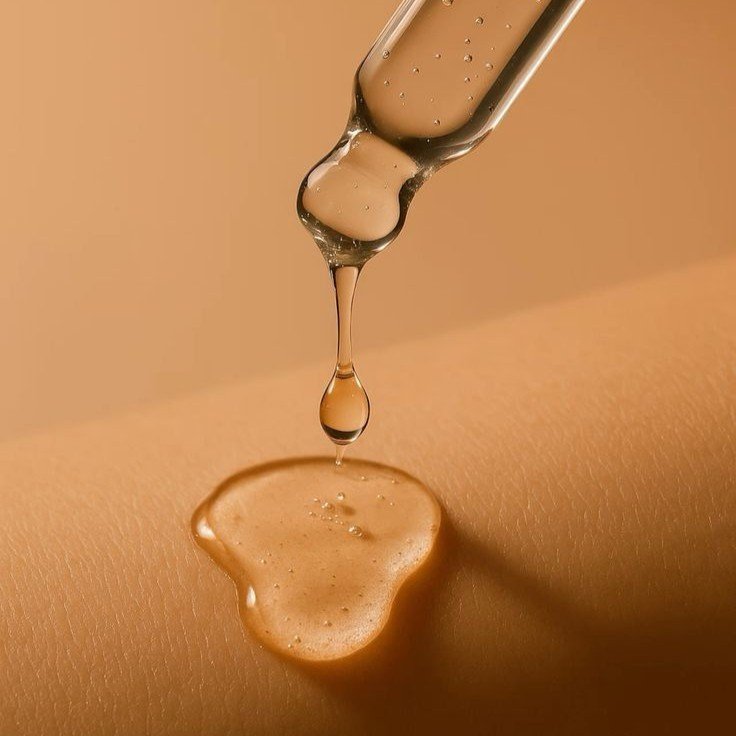
Glycolic Acid
- ✓Removes dead skin cells (exfoliation).
- ✓Keeps skin pores clean to prevent pimples.
- ✓Brings out the skin's natural glow.
Niacinamide
- ✓Calms skin redness and irritation.
- ✓Controls extra oil on the skin.
- ✓Helps make large pores look smaller.
Vitamin C
- ✓Brightens the skin and adds a natural glow.
- ✓Works as an antioxidant to protect skin from damage.
- ✓Boosts the skin's natural radiance.
Ceramide Complex
- ✓Strengthens the skin's outer protective barrier.
- ✓Protects skin from outside pollution and dirt.
- ✓Keeps skin soft, healthy, and hydrated.
The Lumorix Formulation Standard
All guides and product insights in the Lumorix Journal are developed alongside certified cosmetic chemists and dermatologists to ensure scientific integrity and skin safety.